
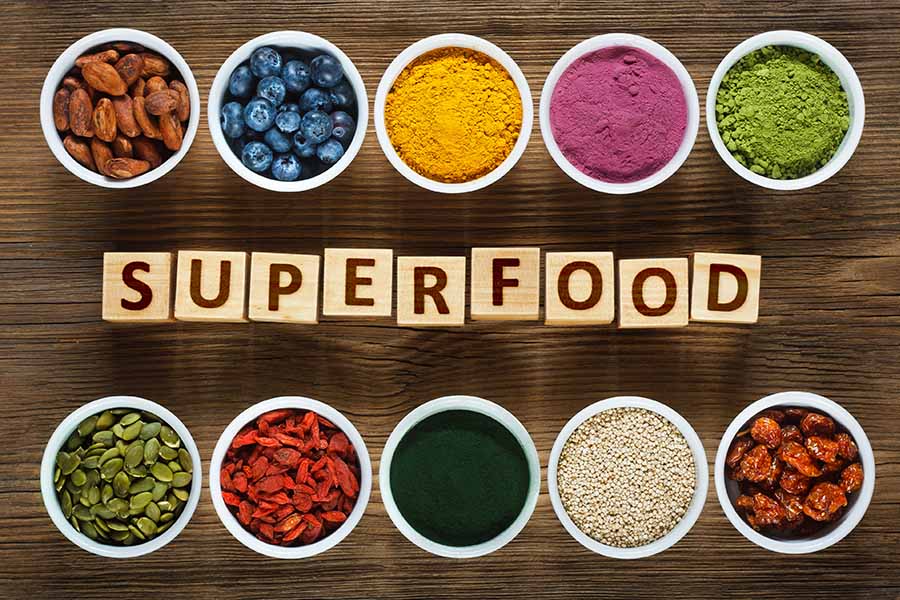
The word “superfood” is everywhere. You see it on juice bottles, cereal boxes, and social media posts. It sounds exciting and powerful. But what does it actually mean? Are these foods truly magical, or is it just a marketing trick?
The truth about superfoods is both simpler and more amazing than you might think. Superfoods aren’t magical cure-alls, but they are nutritional powerhouses. They are everyday foods that are packed with an exceptionally high density of vitamins, minerals, antioxidants, and other compounds that are incredibly beneficial for our health.
This guide will cut through the hype and show you the real superfoods that deserve a spot on your plate. We’ll explore what makes them special, how they help your body, and most importantly, how to easily and affordably incorporate them into your life.
What Makes a Food “Super”?
There’s no official scientific definition for a “superfood.” It’s not a term you’ll find in a medical textbook. Instead, it’s a popular term for foods that offer maximum nutritional benefits for minimal calories.
Most superfoods share these characteristics:
- High in Antioxidants: These compounds fight free radicals in your body, which can damage cells and lead to aging and disease.
- Rich in Nutrients: They deliver a powerful punch of vitamins, minerals, and fiber in a small serving.
- Full of Phytochemicals: These are natural compounds in plants that give them their color, smell, and taste, and often have health-boosting properties.
- Anti-Inflammatory: Many help reduce chronic inflammation in the body, which is linked to many health problems.
The Most Important Thing to Remember: No single food, not even a superfood, holds the key to good health. The real magic happens when you include a variety of these nutrient-dense foods as part of a balanced diet.
Everyday Superfoods You Can Find at Any Grocery Store
You don’t need to spend a fortune on exotic berries from the other side of the world. Some of the most powerful superfoods are humble, affordable, and sitting on your local store’s shelves.
1. Berries: The Antioxidant Kings
From blueberries and strawberries to raspberries and blackberries, these small fruits are giants in the nutrition world.
Why they’re super:
- Packed with antioxidants like anthocyanins, which give them their vibrant colors.
- High in vitamin C and fiber.
- Linked to improved brain health and reduced risk of heart disease.
How to enjoy them:
- Add a handful to your morning oatmeal or yogurt.
- Blend them into a smoothie.
- Keep frozen berries on hand for a convenient, year-round option.
2. Leafy Greens: The Vitamin Powerhouses
Think spinach, kale, Swiss chard, and collard greens. These are some of the most nutrient-dense foods on the planet.
Why they’re super:
- Extremely high in vitamins A, C, E, and K.
- Great sources of iron, magnesium, and potassium.
- Loaded with fiber, which is great for digestion.
How to enjoy them:
- Sauté spinach with garlic as a simple side dish.
- Add a handful of kale to your soups and stews.
- Use lettuce or spinach as a base for your salads instead of iceberg lettuce.
3. Nuts and Seeds: The Healthy Fat Heroes
Almonds, walnuts, chia seeds, and flaxseeds are tiny packages of immense nutrition.
Why they’re super:
- Excellent sources of healthy fats, including omega-3s (especially in walnuts and flaxseeds).
- Packed with protein and fiber, helping you feel full and satisfied.
- Rich in vitamin E, a powerful antioxidant.
How to enjoy them:
- Sprinkle chia seeds or flaxseeds on your cereal or salad.
- Keep a small container of mixed nuts at your desk for a healthy snack.
- Use almond butter on whole-grain toast.
4. Legumes: The Fiber & Protein All-Stars
This family includes beans, lentils, and chickpeas. They are some of the most affordable and versatile superfoods available.
Why they’re super:
- An excellent source of plant-based protein.
- Incredibly high in fiber, which supports gut health and stable blood sugar.
- Packed with B vitamins, iron, and other essential minerals.
How to enjoy them:
- Add a can of rinsed beans to your salads, soups, or pasta dishes.
- Make a big batch of lentil soup for easy lunches throughout the week.
- Use chickpeas to make homemade hummus.
5. Oats: The Heart-Healthy Staple
Simple, humble oats are a breakfast superfood that has stood the test of time.
Why they’re super:
- Contains a special type of fiber called beta-glucan, proven to help lower cholesterol.
- Provides sustained energy release, keeping you full for hours.
- Rich in vitamins, minerals, and antioxidants.
How to enjoy them:
- Start your day with a warm bowl of oatmeal topped with fruit and nuts.
- Use oats in homemade granola or energy balls.
The “Exotic” Superfoods: Are They Worth It?
You’ve probably heard of foods like acai, goji berries, and maca powder. While these are certainly nutritious, they often come with a high price tag.
The truth is: you can get very similar nutritional benefits from local, more affordable options. Blueberries are a fantastic alternative to acai berries, and carrots contain similar antioxidants to more expensive goji berries.
If you enjoy these exotic superfoods and can afford them, they can be a great addition to your diet. But don’t feel like you’re missing out if you stick with the everyday superfoods from your local market.
Simple Ways to Make Your Meals Super
Incorporating superfoods doesn’t require a complete diet overhaul. Here are some effortless strategies:
1. The Smoothie Boost:
This is the easiest way to pack multiple superfoods into one meal. Blend spinach (leafy greens), mixed berries (berries), a tablespoon of chia seeds (seeds), and a scoop of oats.
2. The “Add-One” Rule:
At each meal, ask yourself: “What one superfood can I add to this?”
- Breakfast: Add berries to your cereal.
- Lunch: Add a handful of spinach to your sandwich.
- Dinner: Sprinkle some flaxseed on your roasted vegetables.
3. Smart Snacking:
Replace processed snacks with superfood options.
- Instead of chips: Have a small handful of almonds.
- Instead of a candy bar: Eat an apple with a tablespoon of peanut butter.
The Bottom Line: Be a Smart Superfood Consumer
- Focus on Variety: Don’t just eat one “magic” food. Rotate different superfoods to get a wide range of nutrients.
- Balance is Key: A diet of only superfoods is not a balanced diet. You still need healthy sources of protein, carbohydrates, and fats.
- Watch the Hype: Be skeptical of products that claim to be “miracle cures.” Real food is always better than processed products with a “superfood” label.
- Enjoy the Journey: Experiment with new superfoods and find ways to eat them that you genuinely enjoy. Healthy eating should be a pleasure, not a chore.
The real secret to health isn’t found in a single, expensive berry. It’s found in the daily habit of nourishing your body with a variety of whole, nutrient-rich foods. Start by adding one new superfood to your diet this week, and build from there. Your body will thank you for it.