
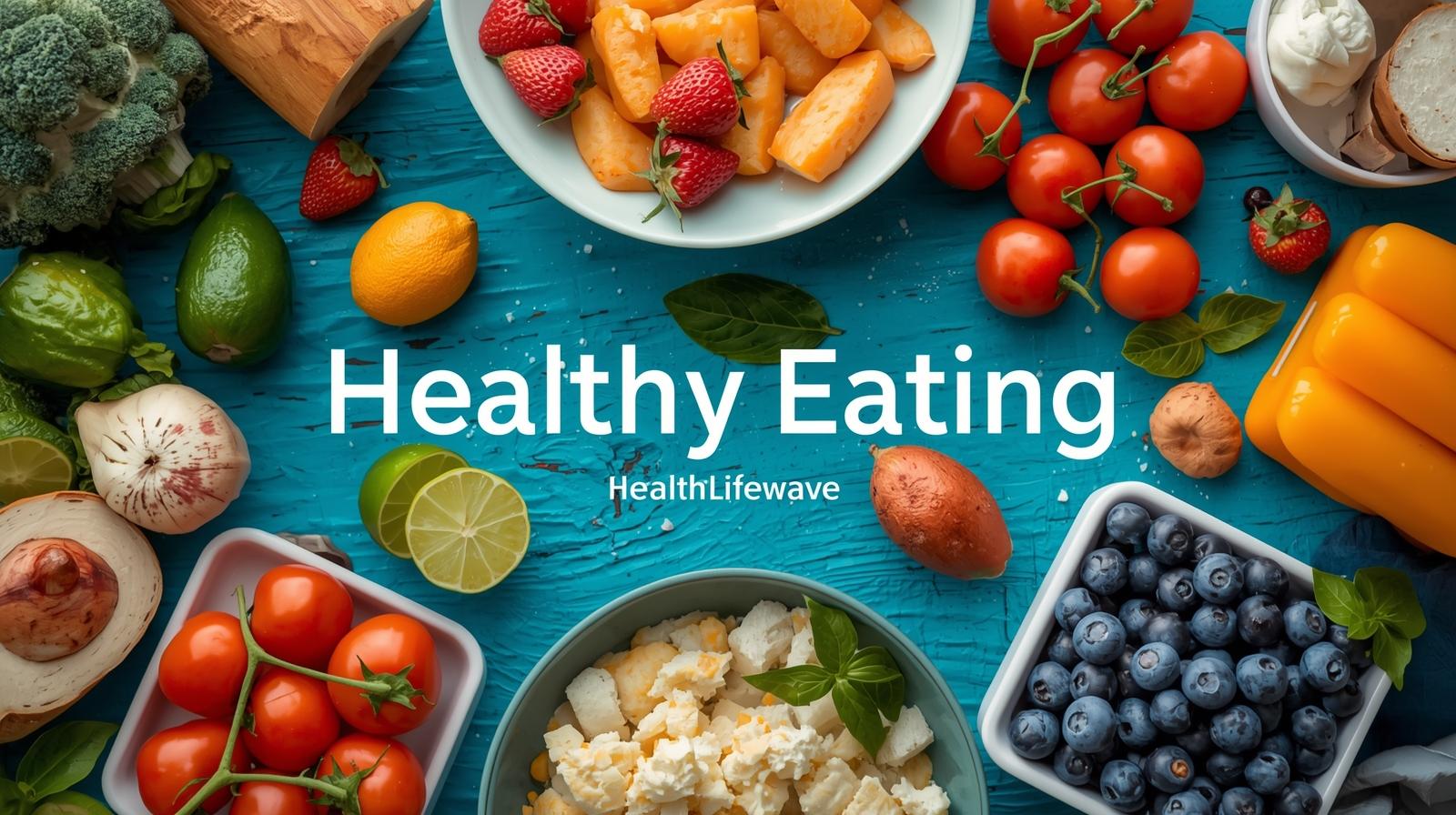
Does the phrase “healthy eating” make you think of bland salads, counting calories, and giving up all your favorite foods? If so, you’re not alone. For many people, healthy eating feels like a chore, a punishment, or a set of complicated rules that are too hard to follow.
But what if we told you that healthy eating is none of those things?
True healthy eating is not about strict diets or perfection. It’s about feeling more energetic, sleeping better, stabilizing your mood, and nourishing your body from the inside out. It’s about enjoying delicious food that makes you feel good, both now and for hours afterward.
This guide will strip away the confusion and show you how simple and satisfying healthy eating can be. Forget rigid rules and embrace a new way of thinking about food—one that is joyful, sustainable, and completely focused on how great you can feel.
What Healthy Eating Really Is (Spoiler: It’s Not a Diet)
Let’s start with the most important idea: Healthy eating is a pattern, not a prison.
It’s not about what you give up; it’s about what you gain. When you choose an apple over a bag of chips, you’re not “being good”—you’re making a choice for sustained energy instead of a quick crash. When you add a side of vegetables to your dinner, you’re not “dieting”—you’re giving your body essential vitamins and fiber.
Healthy eating is characterized by:
- Balance: Enjoying a variety of foods from all the different food groups.
- Consistency: Making more good choices than not-so-good ones, over time.
- Enjoyment: Loving the food you eat and how it makes you feel.
It is not about:
- Perfection: You don’t have to eat “clean” 100% of the time.
- Deprivation: Never eating cake or pizza again is not sustainable or fun.
- Counting Calories: Quality of food is almost always more important than quantity.
The 5 Simple Habits of Healthy Eaters
Instead of a long list of “thou shalt nots,” let’s focus on positive, easy-to-adopt habits. You don’t need to do them all at once. Pick one and master it before moving to the next.
Habit 1: Make Friends with Plants (Fruits & Vegetables)
This is the number one habit for a reason. Fruits and vegetables are packed with vitamins, minerals, fiber, and antioxidants—all the things your body needs to thrive.
How to do it simply:
- The “Add-In” Strategy: Don’t start by taking foods away. Start by adding more plants to what you already eat. Add spinach to your smoothie, pile veggies on your pizza, or mix some berries into your yogurt.
- Use the “Rainbow” Rule: Different colors often mean different nutrients. Try to eat a few different colored fruits and vegetables each day. A red pepper, a green spinach, and a yellow banana is a great start!
- Keep it Convenient: Wash and cut veggies when you get home from the store so they’re ready to grab for a snack. Keep a fruit bowl on your counter where you can see it.
Habit 2: Choose Whole Foods Over Processed Ones
You don’t need a chemistry degree to read a food label. A simple rule is to choose foods that are as close to their natural state as possible.
Think of it this way:
- Whole Foods: An apple, a chicken breast, a sweet potato, a handful of nuts, brown rice. Your great-grandmother would recognize it as food.
- Processed Foods: A fruit-flavored roll-up, a chicken nugget, a bag of chips, a sugary cereal. These are often made in a factory and contain long lists of ingredients, including added sugar, salt, and unhealthy fats.
How to do it simply:
- Shop the Perimeter: In most grocery stores, the whole foods—produce, meat, dairy—are located around the outside aisles. Spend most of your time there.
- Read the Ingredient List: If the list is long and full of words you can’t pronounce, it’s a sign it’s heavily processed. Shorter lists are generally better.
Habit 3: Stay Hydrated with Water
Water is essential for almost every function in your body, from digestion to brainpower. Often, we mistake thirst for hunger, leading us to eat when we really just need a drink.
How to do it simply:
- Start Your Day with Water: Keep a glass of water by your bed and drink it first thing in the morning.
- Infuse it with Flavor: If you don’t like plain water, add natural flavor! Try slices of lemon, cucumber, mint, or frozen berries.
- Eat Your Water: Many fruits and vegetables, like watermelon, strawberries, celery, and cucumbers, have very high water content.
Habit 4: Be Smart About Sugar
You don’t need to eliminate sugar entirely, but most of us eat far too much of it. Added sugar hides in unexpected places like pasta sauce, bread, and yogurt.
How to do it simply:
- Swap Your Drinks: Sugary sodas and juices are one of the biggest sources of empty calories. Switch to sparkling water, unsweetened tea, or infused water.
- Enjoy Sweet Treats Mindfully: It’s okay to have dessert! The key is to make it a conscious treat, not an everyday habit. Savor a small piece of dark chocolate or a scoop of your favorite ice cream, and truly enjoy it without guilt.
Habit 5: Listen to Your Body
This is the most advanced—and most important—habit. It’s about tuning into your body’s natural signals for hunger and fullness.
How to do it simply:
- Eat When You’re Hungry: Learn to recognize true physical hunger (a rumbling stomach, low energy) versus emotional hunger (eating out of boredom, stress, or sadness).
- Stop When You’re Satisfied: You don’t have to clean your plate. Eat slowly, without distraction, and pause halfway through your meal to ask yourself, “Am I still hungry?” Stop eating when you feel comfortably full, not stuffed.
A Sample Day of Simple, Healthy Eating
To make this practical, here’s what a day of simple, healthy eating could look like:
- Breakfast: A bowl of plain Greek yogurt topped with berries and a sprinkle of nuts. (This combines protein, healthy fats, and fruit).
- Lunch: A large salad with mixed greens, grilled chicken, chickpeas, and a simple olive oil and lemon dressing. Served with a whole-grain roll.
- Snack: An apple with a tablespoon of peanut butter.
- Dinner: Baked salmon with a side of roasted broccoli and sweet potato wedges.
- Treat: A small square of dark chocolate with a cup of herbal tea.
See? No deprivation, no weird foods—just simple, satisfying meals.
You Don’t Have to Be Perfect
A single “unhealthy” meal—or even an “unhealthy” day—will not ruin your health. Just like one salad won’t make you healthy, one piece of cake won’t break you.
The goal is progress, not perfection. If you indulge in a big dessert, don’t waste energy on guilt. Just gently return to your healthy habits at the next meal. It’s the long-term pattern that matters.
Your Journey to Feeling Better Starts Now
Healthy eating is a powerful form of self-respect. It’s a way of telling your body, “You matter, and I’m going to take care of you.”
Start small. This week, pick just one of the five habits—like drinking one more glass of water a day or adding one extra vegetable to your dinner. Master that, and then add another.
Remember, you are not going on a temporary diet. You are building a lifelong, positive relationship with food. Be patient with yourself, celebrate your small wins, and enjoy the incredible feeling of nourishing your body from the inside out. You deserve to feel amazing.