
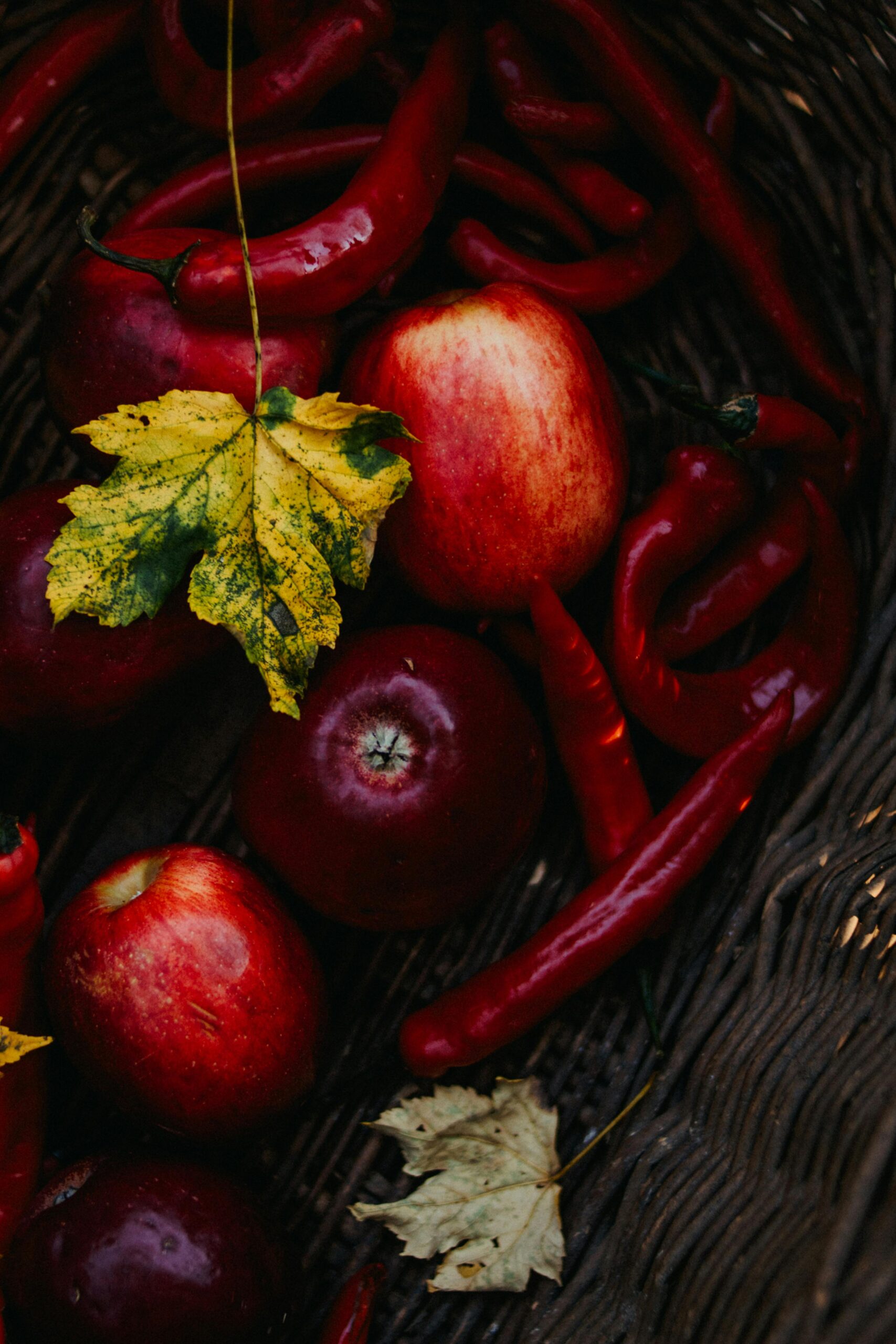
Let’s be honest. The words “healthy eating” can feel a little overwhelming. You might picture bland salads, giving up your favourite foods, or spending hours in the kitchen. It can seem like a strict diet with a long list of rules.
But what if we told you that healthy eating isn’t about perfection? It’s not a punishment. It’s one of the most powerful and kindest things you can do for your body and mind. It’s about feeling more energetic, sleeping better, boosting your mood, and taking care of your long-term health—all while enjoying the food you eat.
This guide will break down healthy eating into simple, easy-to-understand ideas. We’ll move away from strict rules and focus on building habits that make you feel great and last a lifetime.
What Does “Healthy Eating” Really Mean?
At its core, healthy eating is about giving your body the nutrients it needs to function at its best. Think of your body like a high-performance car. You wouldn’t put dirty fuel in a fancy car and expect it to run smoothly, right? Your body is the same. The food you eat is your fuel.
The goal is not to be perfect. The goal is to make more good choices than not-so-good ones, most of the time. It’s about balance, variety, and, most importantly, enjoyment.
The Building Blocks of Your Food: Macronutrients Made Simple
Food is made up of big categories called macronutrients. These are the nutrients your body needs in large amounts to create energy and maintain its structure. There are three main ones:
1. Carbohydrates (Carbs): Your Body’s Favourite Fuel
Carbs often get a bad reputation, but they are your body’s main source of energy, especially for your brain and muscles.
- Simple vs. Complex Carbs: This is the key difference.
- Simple Carbs: These are sugars that are digested quickly. They give you a fast burst of energy, but it often leads to a “crash” later. You find them in things like table sugar, soda, candy, and pastries. It’s best to enjoy these in smaller amounts.
- Complex Carbs: These are your superstars! They are packed with fibre, which means they digest slowly. This provides you with steady, long-lasting energy and keeps you feeling full for longer. Think of them as time-release energy capsules.
- Where to find them: Whole grains (oats, brown rice, quinoa), beans, lentils, fruits, and vegetables.
2. Protein: The Building and Repair Crew
Protein is essential for building and repairing all the tissues in your body—your muscles, organs, skin, hair, and more. It also helps you feel full and satisfied after a meal.
- Where to find it:
- Animal sources: Chicken, turkey, fish, eggs, Greek yogurt, and milk.
- Plant sources: Beans, lentils, chickpeas, tofu, tempeh, nuts, and seeds.
3. Fats: The Misunderstood Hero
For years, fat was seen as the enemy, but we now know that healthy fats are crucial for your health! They help your body absorb certain vitamins, protect your organs, keep you warm, and are a major source of energy.
- Unsaturated vs. Saturated Fats:
- Unsaturated Fats (The “Good” Fats): These are heart-healthy. You find them in avocados, nuts (like almonds and walnuts), seeds (like chia and flaxseed), and olive oil.
- Saturated Fats (The “Use Sparingly” Fats): Found in red meat, butter, and cheese. It’s okay to have them, but it’s best not to make them your main fat source.
- Trans Fats (The “Avoid” Fats): These are artificial fats found in some processed foods. Check labels for “partially hydrogenated oils” and try to avoid them.
The Magic Makers: Micronutrients (Vitamins and Minerals)
While you need smaller amounts of them, vitamins and minerals are vital for every single process in your body—from supporting your immune system (like Vitamin C) to keeping your bones strong (Calcium and Vitamin D) and helping your blood carry oxygen (Iron).
The best way to get a full range of these? Eat a rainbow of fruits and vegetables. Different colours often represent different nutrients, so variety is key!
The Simple Guide to Building a Healthy Plate
Forget complicated calorie counting. A much easier method is to build your plate visually. A great goal to aim for is often called the “Plate Method.”
- Fill Half Your Plate with Colourful Vegetables (and Fruits): This ensures you get plenty of vitamins, minerals, and fibre. This can be a salad, steamed broccoli, roasted carrots, or sautéed peppers.
- Fill a Quarter of Your Plate with Lean Protein: This is your chicken breast, fish, tofu, or lentils.
- Fill the Last Quarter with Complex Carbs: This is your brown rice, quinoa, sweet potato, or whole-wheat pasta.
- Add a Sprinkle of Healthy Fat: A drizzle of olive oil on your vegetables, some avocado slices, or a handful of nuts.
This method isn’t a rigid rule for every single meal, but it’s a fantastic visual guide to help you create balanced, nutritious meals without any stress.
Making Healthy Eating a Habit: Small Steps, Big Changes
You don’t need to change everything overnight. In fact, that’s a recipe for burnout. The best approach is to start with small, manageable changes that you can stick with.
1. Start with a “Add-In” Mindset, Not a “Cut-Out” One.
Instead of thinking, “I can’t have cookies,” try thinking, “I’m going to add a serving of vegetables to my lunch today.” Focusing on adding good things naturally crowds out the less healthy choices without making you feel deprived.
2. Drink More Water.
Sometimes, we mistake thirst for hunger. Drinking enough water throughout the day helps your digestion, keeps your skin clear, and boosts your energy. Carry a water bottle with you as a simple reminder.
3. Cook One More Meal at Home Each Week.
When you cook at home, you have complete control over what goes into your food. You can use healthier oils, less salt, and more fresh ingredients. Start with one simple recipe and build from there.
4. Read Food Labels Like a Pro.
You don’t need to be a scientist. Just focus on a few key things:
- Serving Size: This is the most important part! All the information on the label is for one serving, and a package often contains more than one.
- Added Sugar: Try to choose foods with lower amounts of added sugar.
- Sodium (Salt): High sodium can raise blood pressure. Look for lower-sodium options.
- Ingredients List: Shorter is generally better. If you see a long list of ingredients you can’t pronounce, it’s a sign the food is highly processed.
5. Snack Smart.
Healthy snacks can keep your energy stable between meals. Instead of reaching for a bag of chips, try:
- An apple with a tablespoon of peanut butter.
- A handful of almonds and a piece of fruit.
- Carrot sticks with hummus.
- A small pot of Greek yogurt.
6. Don’t Fear Frozen and Canned.
Frozen fruits and vegetables are often just as nutritious as fresh ones because they are frozen at their peak. They are also affordable and won’t go bad quickly. For canned goods (like beans or tomatoes), look for options with no salt added or low sodium, and rinse them before using.
7. Listen to Your Body.
This is a superpower. Pay attention to your hunger and fullness cues.
- Eat when you’re hungry: Don’t wait until you’re starving, as that can lead to overeating.
- Stop when you’re satisfied: You don’t have to clean your plate if you’re already full. It’s okay to leave a little food behind.
Busting Common Healthy Eating Myths
Myth 1: “Healthy food is too expensive.”
Truth: While some health foods are pricey, there are many budget-friendly options. Beans, lentils, oats, eggs, seasonal fruits and vegetables, and frozen produce are all very affordable. Cooking at home also saves a lot of money compared to eating out.
Myth 2: “You have to give up all your favourite foods.”
Truth: Absolutely not! This is all about balance. If you love pizza or cake, you can still have it. The key is to see these foods as “sometimes foods” to be enjoyed in moderation, not “never foods.” Depriving yourself often leads to cravings and bingeing later. Enjoy your treat mindfully and without guilt, then return to your healthy habits at the next meal.
Myth 3: “Low-fat or fat-free is always better.”
Truth: When fat is removed from food, it often loses its flavour. To make up for it, food companies frequently add extra sugar or salt. Often, a small amount of the full-fat version is more satisfying and healthier than a large portion of a low-fat product filled with additives.
Myth 4: “You need to eat a perfect diet to be healthy.”
Truth: Life happens! There will be days when you’re too tired to cook, or you’re at a party and want to enjoy yourself. One “unhealthy” meal won’t ruin your progress. What matters is what you do consistently, over weeks and months. Be kind to yourself and just get back on track with your next meal.
A Final Word: It’s a Journey, Not a Destination
Healthy eating is a lifelong journey of learning what makes your unique body feel its best. It’s not about following a temporary diet that you “suffer through” until you reach a goal. It’s about building a positive and sustainable relationship with food.